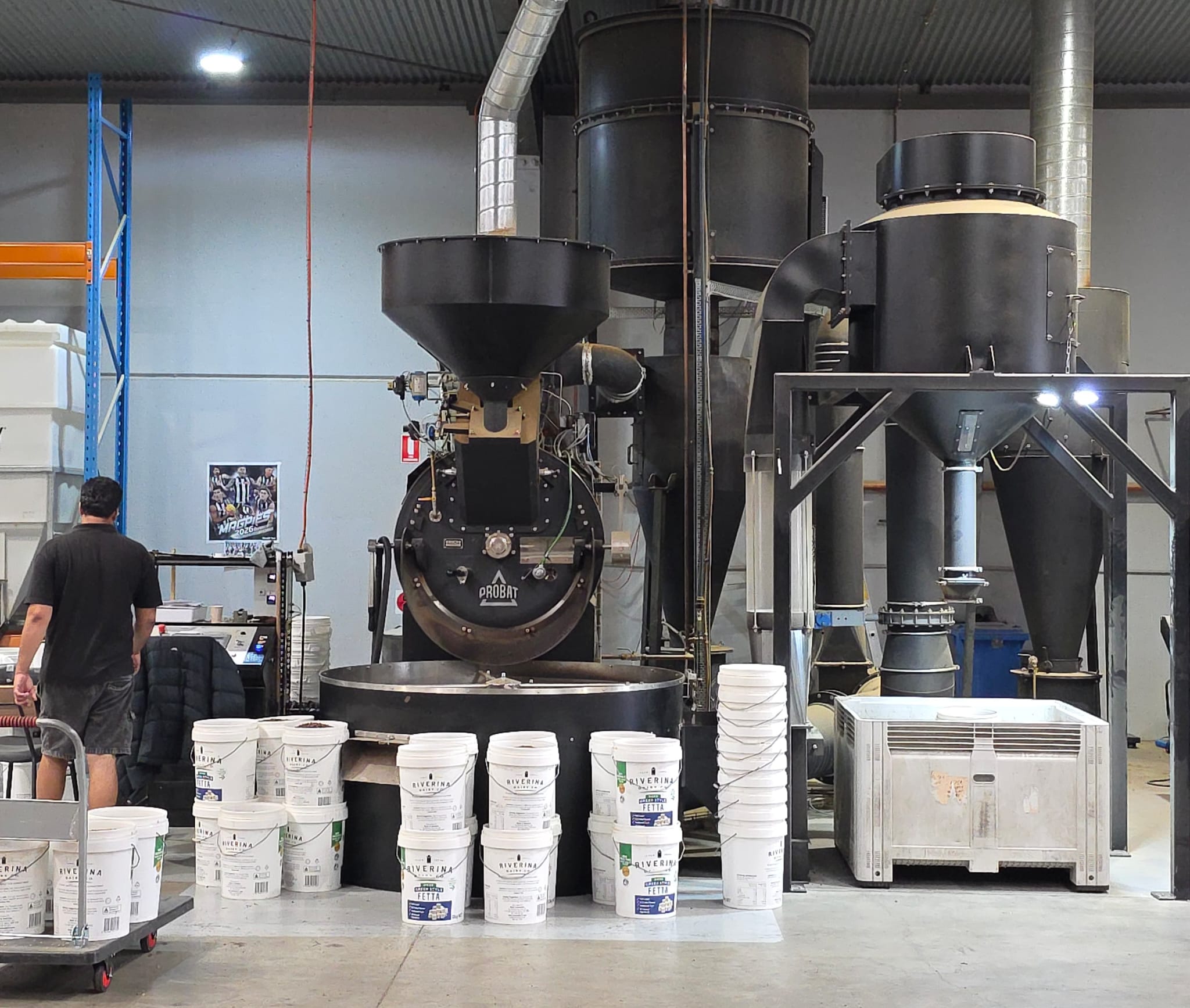
Small Batch Coffee Roaster: Why It Makes Better Coffee and What to Look For
Walk into any serious specialty café in Australia and you'll notice something on the bag — a roast date, a farm name a small number indicating the batch size. These aren't just marketing details. They're signals that the coffee was roasted in small quantities, with attention, close to when you're drinking it. That's small batch roasting, and it changes everything about what ends up in your cup.
At San Pedro Coffee, every roast we do is small batch. It's not a choice we made for the branding — it's the only way to do what we actually care about, which is making the origin character of each coffee shine.
What Is Small Batch Coffee Roasting?
Small batch coffee roasting means roasting coffee in small quantities, typically anywhere from 1kg to 15kg per roast — rather than the hundreds of kilograms commercial commodity roasters process in a single run. The batch size isn't arbitrary. It directly affects how much control the roaster has over the process and how consistent the result is from bean to bean.
In a large commercial roast, beans at the edges of the drum experience different heat than beans in the centre. The sheer volume makes it harder to respond to what's happening in real time. Small batches give the roaster more control over airflow, temperature curves and development time. The variables that determine whether a coffee tastes flat and bitter or vibrant and complex.
The difference in the cup is real and measurable. Small batch roasting tends to produce cleaner flavours, better clarity of origin character and more consistent results across every bag.
Why Freshness Is Everything
Coffee starts losing its best qualities within weeks of roasting. The volatile compounds responsible for aroma and brightness the things that make a great coffee smell extraordinary when you open the bag. These smells begin to dissipate as soon as roasting is complete. Carbon dioxide, which carries much of the flavour, off-gasses rapidly in the first few days and then gradually over the following weeks.
Mass-produced coffee is often roasted months before it reaches your hands. It moves through distribution centres, sits in warehouse stock, gets shipped across the country, and then sits on a supermarket shelf. By the time you brew it, most of what made it interesting is gone.
Small batch roasters like San Pedro roast to order or in tight weekly cycles. When you buy from us, your coffee was roasted days ago — not months. That difference is immediately obvious in the cup, even to people who don't consider themselves coffee experts.
Small Batch vs Large Scale: What Actually Changes
The gap between small batch and large scale roasting comes down to three things:
Attention per batch. A roaster working with 5kg batches can monitor each roast closely, make real-time adjustments, and dial in the profile specifically for that origin. A commercial operator running 200kg batches is managing logistics, not craft.
Sourcing flexibility. Small batch roasters can work with micro-lots — tiny quantities of exceptional coffee from individual farms or even single plots within a farm. These lots are too small for large roasters to bother with. They represent some of the most interesting and flavourful coffee in the world, and they're only accessible through roasters willing to work at small scale.
Turnaround time. Large roasters build stock. Small batch roasters build freshness. When you order from a small batch roaster, you're getting coffee that was roasted recently for people who actually care about the difference.
What to Look For When Choosing a Small Batch Coffee Roaster
Not every roaster that calls itself small batch actually operates that way. Here's what to actually check:
Roast date on the bag. This is non-negotiable. If there's no roast date — only a best before date — the roaster doesn't want you to know how old the coffee is. Walk away.
Specific origin information. Country of origin alone isn't enough. A good small batch roaster can tell you the region, the farm or cooperative, the variety, and the processing method. This level of traceability only exists when a roaster is working closely with their supply chain.
Seasonal availability. Coffee harvests are seasonal. A roaster offering the same Colombian year-round is either blending or working from old stock. A genuine small batch roaster rotates their offering as new harvests come in.
Reasonable pricing. Exceptional small batch coffee costs more than supermarket coffee. That's not a red flag — it's what paying farmers properly and buying high-quality green coffee actually costs. If the price seems too good, something in the supply chain is being squeezed.
Communication and transparency. Good small batch roasters love talking about their coffee. They write detailed tasting notes, explain their roast approach, and are happy to recommend something based on your brew method and taste preferences.
How San Pedro Approaches Small Batch Roasting
We roast in Melbourne in small batches, working with green coffee sourced directly from farms and cooperatives we trust. Every origin on our shelf has a full sourcing story — where it came from, how it was processed, what makes it worth your attention.
We don't blend to chase consistency. We roast each origin to highlight what makes it distinct — which means our range changes as harvests change. If you ordered a Papua New Guinea from us three months ago and it's no longer available, that's because the season ended and we're not going to pretend otherwise with old stock.
Our roast dates are on every bag. Our tasting notes are specific. And if you're not sure what to order, we're easy to reach.
The Connection Between Small Batch Roasting and Single Origin Coffee
Small batch roasting and single origin coffee go hand in hand for a reason. When you're working with a coffee that has a distinct, identifiable character — a Yirgacheffe that tastes unmistakably of jasmine and bergamot, a Kenyan that hits like blackcurrant and brown sugar — the last thing you want to do is roast it in a way that flattens those qualities.
Large scale roasting tends toward dark roasts that mask origin character behind a wall of carbon and bitterness. Small batch specialty roasters typically roast lighter, preserving the natural flavours developed during growing and processing. The roast becomes a way of revealing what the coffee is, not hiding it.
If you've ever tasted a properly roasted single origin and wondered why your supermarket coffee tastes so flat by comparison, small batch roasting is a big part of the answer.
Ready to Taste the Difference?
The best argument for small batch roasting isn't an explanation — it's a cup. Browse our current single origin range at San Pedro Coffee, roasted in small batches in Melbourne and shipped fresh across Australia. Every bag includes full sourcing notes, roast date, and recommended brew methods.
If you're new to specialty coffee, start with our most approachable current offering — we'll point you in the right direction.