
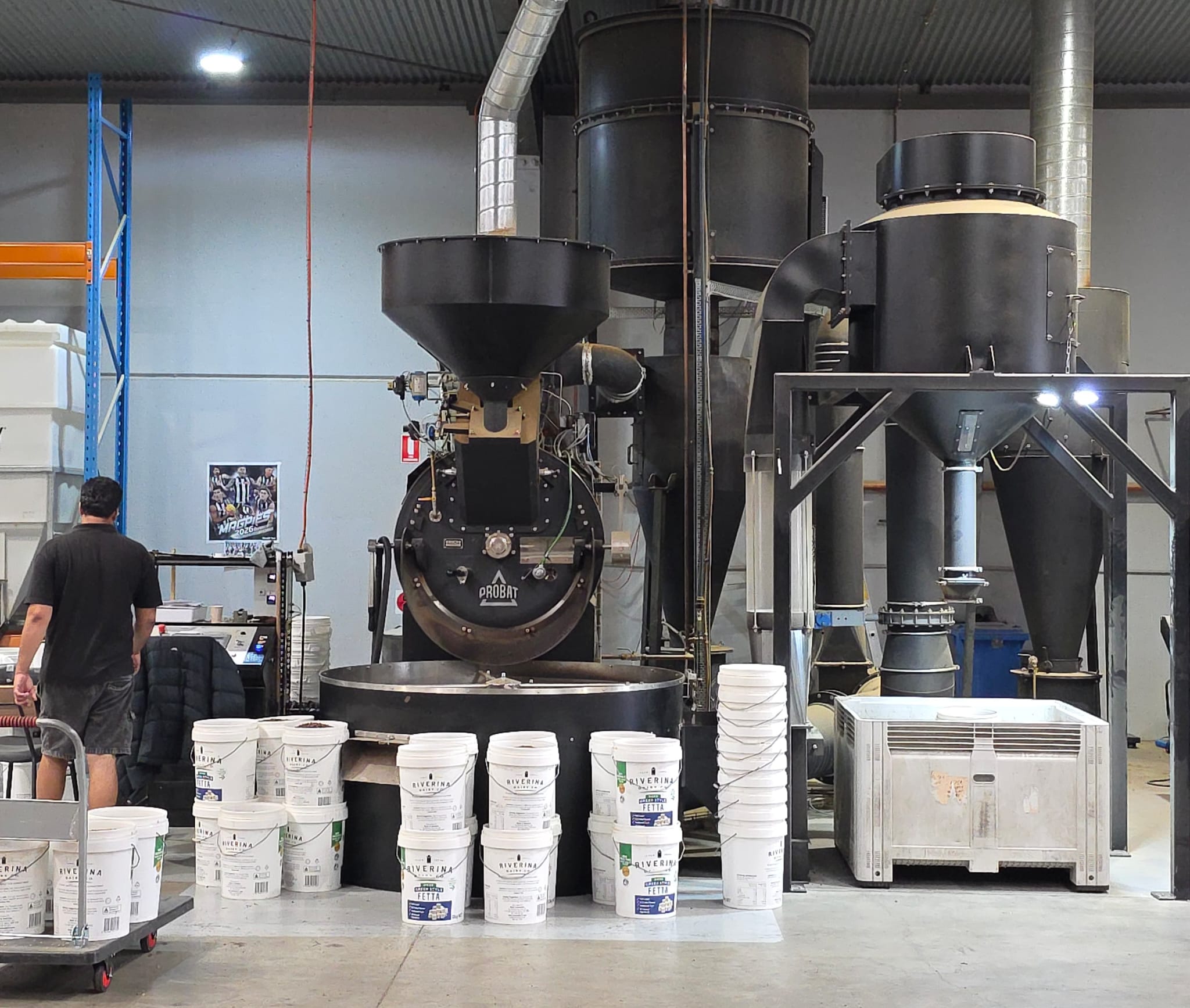
How to Store Coffee Beans at Home (And Keep Them Fresh for Longer)
How to Store Coffee Beans at Home (And Keep Them Fresh for Longer)
Why Proper Coffee Bean Storage Matters More Than You Think
You've just bought a bag of freshly roasted specialty coffee beans — single origin, small batch, roasted to order. The last thing you want is to open it two weeks later and find it's stale, flat, and lifeless.
The truth is, how you store coffee beans at home has a bigger impact on flavour than most people realise. Even the best coffee beans in Melbourne will go stale quickly if they're stored incorrectly. Light, heat, moisture, and oxygen are the four enemies of fresh coffee — and avoiding them is simpler than you think.
This guide covers everything you need to know about storing coffee beans at home, from the best containers to use, to whether you should refrigerate or freeze your beans, to how long coffee beans actually stay fresh.
How Long Do Coffee Beans Stay Fresh?
Before we get into storage methods, it helps to understand the freshness window you're working with.
Whole Bean Coffee
- Peak flavour: 2–4 weeks after the roast date
- Still drinkable: Up to 6–8 weeks after roast date
- Noticeably stale: Beyond 8 weeks
Ground Coffee
- Peak flavour: Within 1–2 days of grinding
- Still acceptable: Up to 1 week if stored airtight
- Why it degrades faster: Grinding increases surface area dramatically, accelerating oxidation
This is exactly why freshly roasted, whole bean coffee from a small batch roaster like San Pedro Coffee tastes so much better than pre-ground supermarket coffee that may have been sitting in a warehouse for months before hitting the shelf.
Pro tip: Always check the roast date, not the best-before date, when buying coffee beans. A bag roasted 6 months ago and sealed tight is still older coffee — roast date is the number that matters.
The 4 Enemies of Fresh Coffee Beans
Understanding what degrades coffee helps you store it correctly.
1. Oxygen
Oxidation is the biggest culprit in stale coffee. Once roasted beans are exposed to air, the volatile aromatic compounds that give specialty coffee its complex flavour begin to break down. This is why an airtight container is non-negotiable.
2. Light
UV light accelerates the degradation of coffee's organic compounds. Clear glass jars on the kitchen bench might look beautiful, but they're quietly ruining your beans. Always store coffee in an opaque container or a dark cupboard.
3. Heat
Heat speeds up almost every chemical reaction, including the ones that make coffee go stale. Keep your beans away from the stovetop, oven, and any appliance that generates warmth — including your coffee machine.
4. Moisture
Coffee beans are hygroscopic — they absorb moisture from the air. Even small amounts of humidity can cause beans to go off quickly, introduce mould, and ruin flavour. This is also why the freezer can be problematic (more on that below).
The Best Way to Store Coffee Beans at Home
Use an Airtight Container with a One-Way Valve
The gold standard for home coffee storage is an opaque, airtight container with a CO2 one-way valve. After roasting, coffee beans naturally off-gas carbon dioxide for several days. A one-way valve lets that CO2 escape without letting oxygen in — keeping your beans fresher for longer.
Many specialty coffee bags (including San Pedro Coffee bags) come with this valve built in, which means the bag itself is actually one of the best storage vessels you have. Fold the top over tightly, press out excess air, and seal the bag after each use.
If you want a dedicated container, look for:
- Airscape canisters — popular with home baristas, stainless steel, effective
- Fellow Atmos — vacuum seal canister, excellent for longer storage
- Ceramic coffee canisters with rubber seals — affordable and effective
Avoid: clear glass jars, open bowls, standard Tupperware without a proper seal, or leaving beans in a loosely closed bag.
Store in a Cool, Dark Place
A kitchen cupboard away from the stove, oven, or any heat source is ideal. Pantry shelves work well. The goal is a consistent cool temperature — around 15–20°C is perfect for most Australian homes.
Avoid storing beans on the kitchen bench, near a window, or above the coffee machine — all common spots that expose beans to light and heat.
Should You Refrigerate Coffee Beans?
Short answer: No.
The fridge introduces two problems — moisture and odour absorption. Coffee beans will absorb the smells of whatever else is in your fridge (leftovers, cheese, onions), and the temperature fluctuation every time you open the fridge door creates condensation on the beans.
Unless you have no other option, keep coffee beans out of the fridge entirely.
Should You Freeze Coffee Beans?
Short answer: Only if done correctly.
Freezing coffee beans can extend their shelf life significantly — up to 3–6 months — but only if you follow these rules strictly:
How to Freeze Coffee Beans Properly
- Portion your beans before freezing. Divide into weekly-use portions (enough for 7 days) and seal each portion in a separate airtight bag or container. Never freeze the whole bag if you plan to open it repeatedly.
- Use a vacuum seal bag if possible. Removing all air before freezing is critical.
- Only thaw once. Once a portion comes out of the freezer, let it come to room temperature completely before opening the bag — this prevents condensation forming on the beans. Then use within 1–2 weeks. Never refreeze.
- Label with the roast date. It's easy to lose track of what's in the freezer. Write the roast date on the bag before freezing.
Freezing works best for people who buy in bulk (1kg bags) and want to extend freshness rather than rushing through beans before they go stale. If you're buying fresh 250g bags every 2–3 weeks, you don't need to freeze at all — just store correctly in an airtight container.
How to Store Ground Coffee
If you grind your own beans (highly recommended for better flavour), grind only what you need for each brew session. Don't grind a week's worth of coffee at once — ground coffee goes stale in days, not weeks.
If you buy pre-ground coffee or grind in larger batches:
- Store in an airtight container immediately after grinding
- Use within 5–7 days for best flavour
- Keep in a cool, dark cupboard — same rules as whole beans
Coffee Bean Storage by Bag Size
250g Bags
Freshness window fits perfectly within 2–3 weeks. No freezing needed. Just seal the bag tightly after each use and store in a cupboard. This is the most popular size for specialty coffee drinkers who want peak freshness.
500g Bags
Should be consumed within 3–4 weeks. If you don't drink coffee daily or share with others, consider portioning half into a separate airtight container to limit how often you open the main bag.
1kg Bags
Ideal for households that brew daily or for those buying wholesale. Portion immediately — divide into 250g amounts, seal individually, and keep only your current week's worth accessible. Freeze the rest if you won't get through it within 4 weeks.
Common Coffee Storage Mistakes (And How to Avoid Them)
Leaving the bag open on the bench — Even a few hours of air exposure starts the oxidation clock. Always seal immediately after use.
Storing above the coffee machine — Heat rising from the machine degrades beans quickly. Move them to a cupboard.
Using a clear glass jar on the windowsill — It looks great on Instagram, but light and heat will ruin the beans within days.
Buying too much at once — Fresh coffee is best bought in quantities you'll use within 2–3 weeks. Small batch roasters like San Pedro Coffee roast to order specifically so you receive the freshest possible beans — take advantage of that by buying at the right frequency.
Refrigerating beans — Moisture and odour absorption. Keep coffee out of the fridge.
How Freshness Affects Flavour: What You'll Notice
Fresh coffee (within 2–4 weeks of roast date) delivers:
- Bloom when brewing — pour hot water over fresh grounds and they'll puff up and release CO2. This bloom indicates freshness. No bloom = stale coffee.
- Complex, layered flavour — the fruit notes, chocolate, or floral characteristics your specialty coffee is known for
- Better crema on espresso — fresh beans produce a rich, thick crema. Stale beans produce thin, watery crema or none at all.
Stale coffee tastes flat, bitter, and one-dimensional — none of the characteristics that make specialty coffee worth paying for.
Buy Fresh, Store Right — San Pedro Coffee
At San Pedro Coffee, we roast in small batches and dispatch within 48 hours of roasting. That means when your beans arrive, you're starting the freshness clock from day one — not from a warehouse shelf.
Combine that with proper storage at home and you'll get every last bit of flavour out of every bag.
Shop freshly roasted coffee beans →
Explore single origin coffees →
Start your coffee journey
Frequently Asked Questions About Storing Coffee Beans
How long do coffee beans last once opened?
Whole bean coffee stays at peak flavour for 2–4 weeks after the roast date. Once opened, keep in an airtight container and aim to finish within 3–4 weeks.
Can you store coffee beans in the fridge?
No — the fridge introduces moisture and odour absorption. Store coffee in a cool, dark cupboard instead.
Can you freeze coffee beans?
Yes, but only if you portion first, vacuum seal, thaw completely before opening, and never refreeze. For most people buying 250g bags regularly, freezing isn't necessary.
What is the best container to store coffee beans in?
An opaque, airtight container with a CO2 one-way valve is ideal. Airscape and Fellow Atmos canisters are popular choices. Your San Pedro Coffee bag with its built-in valve also works well — just fold and seal tightly after each use.
Why does my coffee taste flat?
Most likely it's stale. Check the roast date — if it's more than 4–6 weeks ago, the beans have passed their peak. Buy fresher beans and store correctly to notice an immediate difference.
Does grind size affect how quickly coffee goes stale?
Yes — finer grinds go stale faster because they have more surface area exposed to oxygen. Grind only what you need, immediately before brewing, for the best flavour.
How do I know if my coffee beans are stale?
Stale beans look dull, have no oily sheen (for medium/dark roasts), and produce no bloom when hot water hits them. The flavour will be flat and bitter with no complexity.
San Pedro Coffee is a Melbourne-based specialty coffee roaster. We roast in small batches and ship Australia-wide. All bags include the roast date so you always know exactly how fresh your coffee is.

%0A%0AWhy%20Proper%20Coffee%20Bean%20Storage%20Matters%20More%20Than%20You%20Think%0AYou've%20just%20bought%20a%20bag%20of%20freshly%20roasted%20specialty%20coffee%20beans%20%E2%80%94%20s...)