Your Coffee Machine Isn't the Problem — Your Beans Are
Your Coffee Machine Isn't the Problem. Your Beans Are.
There's a conversation that happens in every coffee Facebook group, every Reddit thread, every kitchen renovation forum in Australia.
Someone posts: "Just bought a $600 espresso machine. Why does my coffee still taste bad?"
And then 47 people reply with suggestions about water temperature, tamping pressure, grind size, basket geometry, and whether their portafilter needs a naked upgrade.
Nobody says the obvious thing.
Your beans are stale.
The Inconvenient Truth About Home Espresso
The specialty coffee industry has done a brilliant job of selling machines. Walk into any appliance store and you'll find espresso machines ranging from $200 to $3,000, all promising café-quality coffee at home. And they're not lying — the hardware genuinely is good enough.
But hardware can't save bad ingredients.
A $2,000 De'Longhi cannot extract flavour that isn't there. A precision grinder cannot resurrect aromatic compounds that oxidised three months ago in a supermarket warehouse. No amount of dialling in your grind size will fix beans that were roasted six months before they hit your kitchen bench.
This is the dirty secret of home coffee: most people are working with stale beans and blaming their equipment.
What "Fresh" Actually Means
Here's something the supermarket doesn't want you to think about too hard.
That bag of coffee on the shelf — the one with the nice packaging and the "best before 2026" date — was probably roasted 6 to 12 months ago. It was roasted in bulk, packaged, shipped to a distribution centre, shipped again to the store, and sat on a shelf under fluorescent lights until you picked it up.
The best before date tells you when the product becomes unsafe. It tells you nothing about flavour.
Freshly roasted coffee peaks in flavour between 7 and 28 days after the roast date. After that, flavour compounds begin degrading. By the 3-month mark, you're drinking coffee-flavoured nostalgia — a vague echo of what the beans once were.
Next time you buy a bag of coffee, look for the roast date. Not the best before. The roast date. If it's not on the bag, that tells you everything you need to know.
The Upgrade You Actually Need
Australians spent an estimated $500 million on home coffee equipment last year. New machines, new grinders, new tampers, new milk jugs, new everything.
Meanwhile, the average household is still buying $12 supermarket coffee that was roasted before they even started shopping for their machine.
The upgrade that will actually change how your coffee tastes isn't a new portafilter. It's buying beans that were roasted last week.
Freshly roasted, whole bean specialty coffee from a small batch roaster costs roughly the same as what you're already spending — sometimes less. The difference in your cup will be immediate, obvious, and slightly annoying because you'll realise how long you've been drinking stale coffee without knowing it.
"But I Bought Expensive Beans From a Café"
Fair point. Café beans are usually much fresher than supermarket coffee — most specialty cafés rotate stock regularly and source from local roasters. If you're buying direct from a café that roasts their own, you're probably doing well.
The issue is consistency. You buy a bag, it lasts 3 weeks, then you forget to go back. You grab something from the supermarket as a stopgap. Three months later, you're still using the stopgap and wondering why your coffee went downhill.
A subscription solves this completely. Fresh beans arrive on your schedule — every 2 weeks, every month, whatever works — and you never have to think about it. No more stale stopgaps. No more mystery roast dates.
The Bean Checklist (Honest Version)
Before you spend another dollar on coffee equipment, check these things first:
Roast date — Is it on the bag? Is it within the last 4 weeks? If you can't find a roast date, put it back.
Whole bean vs pre-ground — Ground coffee goes stale within days. If you're buying pre-ground, you're already behind. A basic hand grinder costs $40 and will outperform any pre-ground coffee regardless of price.
Where it was roasted — Local Australian roasters (especially small batch ones) are your best bet for freshness. The shorter the supply chain, the fresher the beans.
How you're storing it — Airtight container, dark cupboard, away from heat. Not the fridge. Not the bench next to the toaster. [Read our full guide on storing coffee beans correctly →]
Your Machine Is Fine
Seriously. Unless you're using a genuinely broken machine, your hardware is not the problem.
The $300 machine you already own, paired with freshly roasted beans and a decent grinder, will make better coffee than a $2,000 machine running stale supermarket beans. Every time.
Stop upgrading your equipment and start upgrading your ingredients. It's cheaper, faster, and the improvement is immediate.
Your beans are the problem. Fortunately, that's an easy fix.
Shop freshly roasted coffee beans at San Pedro Coffee →
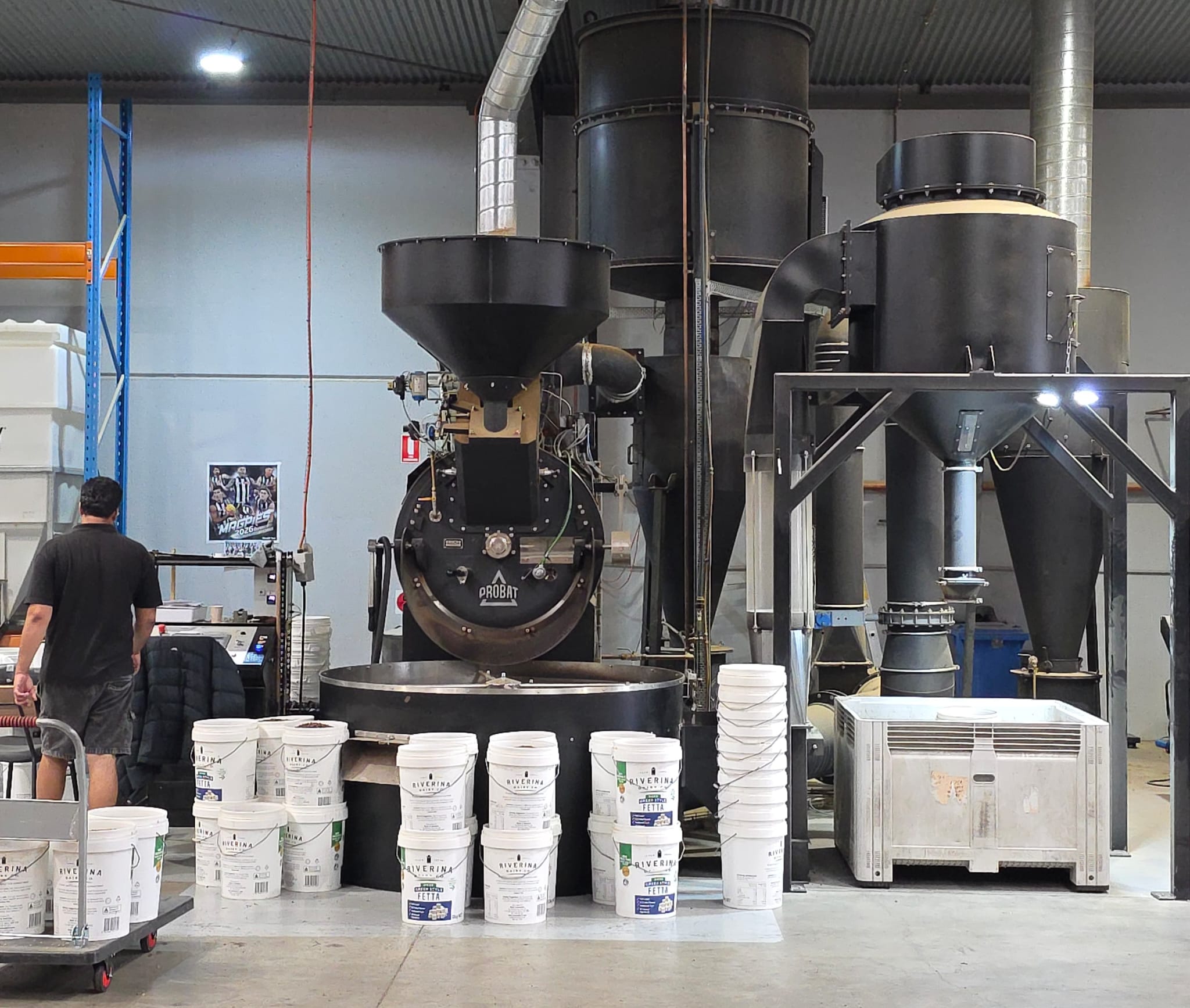
San Pedro Coffee is a Melbourne-based specialty coffee roaster. Small batch. Roasted to order. Dispatched within 48 hours.